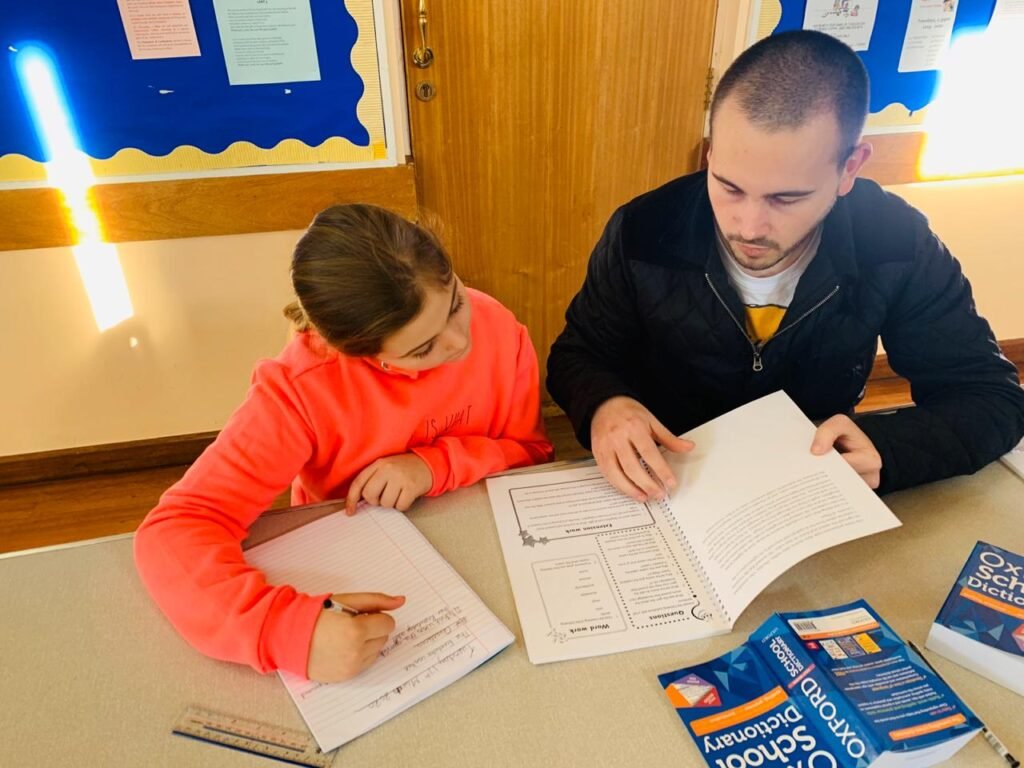
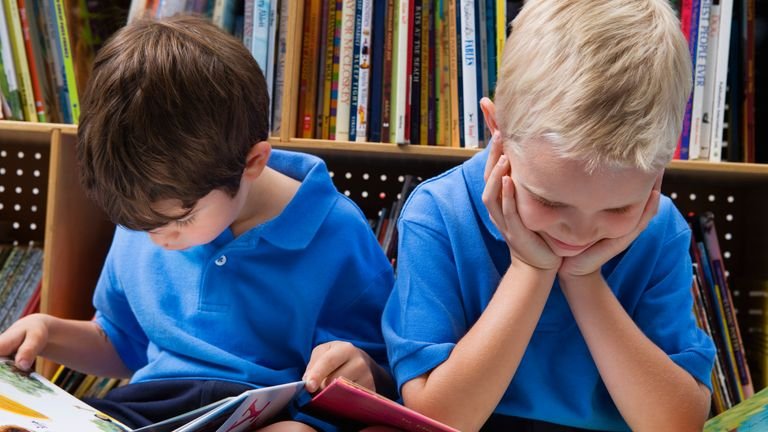
On 8 October 2026, the National Literacy Trust and British Council encouraged children, families and schools across the country to Take 10 to Read.
The idea is refreshingly simple: choose something you enjoy and spend ten minutes reading it.
It might not sound like much. But for families trying to build reading into busy school-week routines, ten minutes can feel achievable.
Try It With Your Child
Choose something they genuinely want to read and set a timer for ten minutes.
It Doesn't Have to Be a Novel
One of the simplest ways to encourage reading is to start with the things a child already enjoys.
After the 10 Minutes, Ask Three Questions
Those questions turn a short reading session into practice in comprehension, vocabulary, prediction and inference.
Make It Easy to Repeat
The aim isn't to make reading feel like another piece of homework.
A short, repeatable routine may be much easier to maintain than setting an unrealistic target that disappears after a few days.
Why Does Reading Matter at School?
The skills children practise through reading continue to appear throughout their education.
Primary
- Reading fluency
- Comprehension
- Vocabulary
- Retrieval
- Inference
- Ideas for writing
Secondary
- Understanding complex texts
- Language analysis
- Selecting evidence
- Vocabulary
- Understanding exam questions
- Developing written responses
Reading and Wellbeing
National Literacy Trust research published in 2026 also found an association between reading engagement and young people's reported wellbeing.
Reading alone does not determine wellbeing, but making space for reading for enjoyment can give children another positive activity away from the pressures of schoolwork.